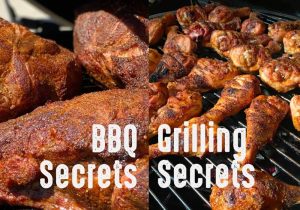

Quick seared meats can be just as tasty and have just as much depth of flavor as low-n-slow smoker classics.
Whether you own a charcoal or propane grill, a busy summer is definitely the time to crank up the heat and do some high heat grilling for quick and easy family meals.
Take your high heat grilling up a notch, or two, with a few simple steps and techniques.
 Selecting the Right Meat
The first step is selecting the right meat for the meal. You can’t go wrong with good old hamburgers and hot dogs, or a classic rib steak. These meats have enough fat content to keep themselves moist throughout the cook. Just add some Dizzy Pig Cow Lick or Raising the Steaks seasoning on that burger or steak and you are good to go!
With hamburgers:
 Lean options
For leaner options try ground turkey, ground chicken or grind salmon in a food processor with some scallions and Raging River rub for an awesome, wholesome salmon burger!
Other lean cuts to consider are the ubiquitous boneless, skinless chicken breast or pork center loin chops.
Because of their lack of internal fat, we strongly recommend that you brine these cuts of meat before grilling. We at Dizzy Pig are huge fans of the technique of brining lean foods before cooking. If you are unfamiliar with this technique, there are many online resources to give you insight into the reasons, methods and recipe options for brining.
We believe if you brine once, you’ll become as enthusiastic about it as we are!
 Carryover Heat
Another thing to remember when grilling direct over high heat this summer is carryover cooking.
Meat will retain heat and continue to cook even after it has been removed from the grill.
Carryover heat from high heat will be much greater than with other lower temperature recipes. With some thinner cuts, internal finishing temps can rise by as much 15-20°F. Keep this in mind when monitoring your ‘finished’ temperature.
Case in point: Boneless, skinless chicken breasts
Chris’s comments and findings on grilling chicken breasts direct include:
The thinner they are, the hotter I actually cook them.
The reason is that my goal is to get good browning on each side right about the time that the middle is done.
It’s said that you should take the meat off when it hits 160°F in the coolest spot.
The trouble is, when you’re cooking over a hot fire, the outer layers of meat are way over 160°F by the time the coldest spot registers that same temp!
Chris’s solution?
Enjoying this Dizzy Tips article?